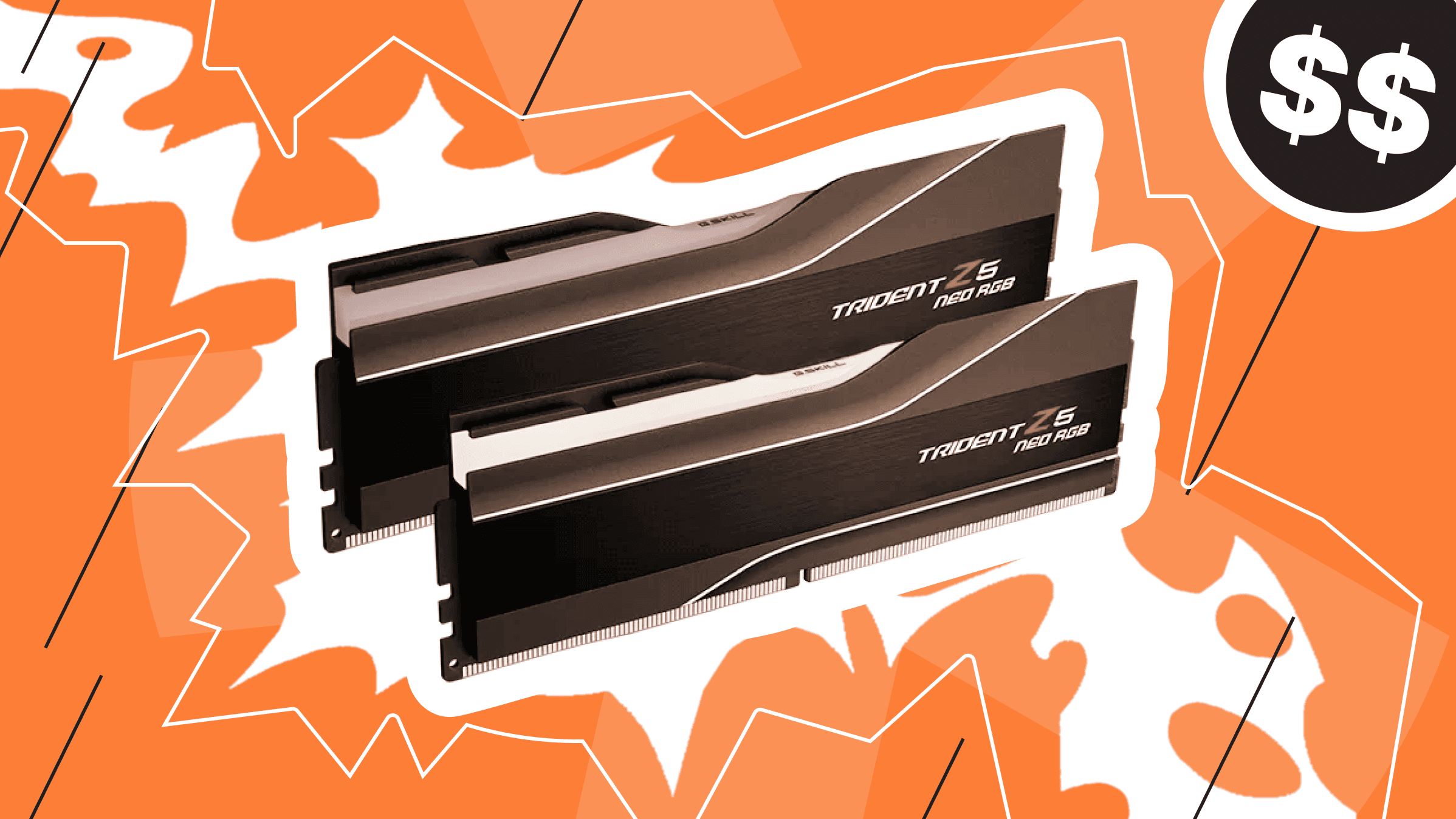
Someone on Amazon is selling DDR2 with 3D-printed heat spreaders. They're calling it DDR5.
We can only shake our heads and wonder how we got here.
DDR5 shortage discussions moved beyond servers and data centers long ago. Now they affect consumer upgrades and mobile LPDDR, too.
Let's figure out what's actually happening, and what to do if you're building a PC, setting up a server, or renting VPS space.
What Is Happening in the DDR5 Market Right Now?
The news talks about DDR5 kits costing more than flagship graphics cards. Then rumors surface that major players are buying up consumer DDR5 because bulk orders are impossible otherwise.
These stories come from insiders and hearsay; take them with a grain of salt.
Here's the situation:
- AI projects need seriously powerful accelerators. Those rely on specialized server memory. For manufacturers, it made more sense to pivot from mass-market DDR5 and SSDs to producing High Bandwidth Memory (HBM) for AI demand. That kicked off a chain reaction: lower output, tighter inventories, and higher DDR5 prices.
- In November 2025, TrendForce recorded a sharp spike in spot prices. DDR5 2Gx8 jumped 307% since September. DDR4 prices rose as well, but not nearly as fast.
- The shortage hit consumers through supplier DDR5 price increases. The result was more expensive DDR5 for DIY laptops.
- High demand from cloud infrastructure providers and long-term purchasing agreements keep pushing DDR5 prices higher.
Framework announced price increases of up to 50% for DDR5 memory upgrades in Framework Laptop DIY Edition laptops. Eventually, they'll raise prices on all products using any type of memory — DDR5, LPDDR5X, or GDDR.
The cost to upgrade from 16 GB to 32 GB on Dell’s XPS 13 (LPDDR5X-8448) varies by configuration and date. In December 2025, it ranged from about $150 to $550. Apple's memory upgrade pricing also varies by model, but upgrading to 32 GB typically adds $200–$400 to the total cost.
Stories like this are everywhere now.
The Main Reasons Behind the Global DDR5 Shortage

If we look at what started this mess and why it's getting worse, here's what we see:
AI demand and data centers dramatically increased server memory demand.
Data centers are expanding. Every month, they need more capacity, especially RAM. That’s not surprising, though — have you seen the world we live in?
Add to that the AI boom and the nonstop race to ship the next model first.
Memory makers are shifting capacity toward higher-margin AI-focused memory.
Honestly, it's easy to see why. Modern demand basically forces them to prioritize HBM production, and soon HBM4. That leaves fewer resources for "regular" DDR5. Moving a line back from HBM to DDR5 is neither quick nor simple, either.
As a result, prices for the DDR5, which everyone still needs, have become harder to predict.
Don't rule out stockpiling.
With rapid growth like this, it makes sense to buy quickly and in large quantities to avoid paying even more later.
At the same time, a shift from fixed DDR5 prices to spot prices is clearly coming. Now you see new DDR5 prices every day — hopefully not every hour.
There's a plus side, though. Sometimes you can catch a price drop and get a "good deal" on new DDR5.
Silicon Motion's CEO explains that the current DRAM shortage isn't caused by a single factor or reduced production. It's a simultaneous shortage of three key components: HBM, NAND flash memory, and HDDs.
So it's not just a server DRAM shortage. It's a chain reaction in the chip market.
DDR5 vs. DDR4 in Prices
New server and many modern desktop platforms are increasingly tied to DDR5. It scales better than DDR4 in terms of speed and density.
If you're choosing a new platform where DDR5 is the standard, there’s no sense in comparing DDR5 vs. DDR4.
If you consciously choose a platform supporting DDR4 to save money now, that may work in the short term. But upgrading later might mean a complete platform replacement.
Even here, not everything is smooth. TrendForce showed that from September to November 2025, both DDR4 and DDR5 grew in the spot market.
How AI, Cloud Infrastructure Providers, and Companies Affect the DDR5 Shortage and Cope with It

Cloud infrastructure builders buy memory volumes in advance. They engage in lengthy negotiations and try to secure supplies amid shortages. This behavior is evident among all major players. The bigger the player, the longer the agreement.
Samsung's LPDDR5X unit reportedly refused to lock in memory pricing even for the next Galaxy S26 phones. As a result, Samsung Semiconductor and Mobile Experience would have to renegotiate pricing every quarter.
Meanwhile, the price of a 64 GB DDR5 module is expected to top $500 by early next year. That would allow Samsung to sell the underlying DRAM chips at roughly 75% profit margin. To get there, the company reallocated capacity toward DDR5 registered DIMM (RDIMM) modules, freeing up around 80,000 DRAM wafers per month for higher-margin output.
Samsung may have been late to the HBM3E market, but it could still catch up by focusing on HBM4, while also filling the gap in DDR5 supply.
The AI sector is already looking at alternative memory types — for example, using LPDDR5X in NVIDIA server CPU platforms. Cloud infrastructure builders and data centers may follow suit. Initially, this was only about smartphones and laptops, but beggars can't be choosers.
Of course, it's also possible to survive shortage conditions by standardizing configurations with fewer unique stock-keeping units. But there's no quick or ideal solution.
Buy Now, Wait, or Switch to DDR4?
Cameron Crandall, Kingston Datacenter SSD Account Manager, says: "I think the best thing to do if you're looking at upgrading your system is to do it now and not wait, because prices are going to continue to go up."
First, let's calm down and figure out how urgent your current build is.
If you need to build or upgrade in the coming weeks, it makes sense to buy RAM first. The market is volatile: in a week, DDR5 prices could be 20% higher; in a month, another 20% higher.
If you want to save money and can wait, keep in mind that by the time your patience runs out, the market may not have calmed down. The best approach here is to monitor prices for a few weeks. Grab DDR5 when it drops, if it does.
If you're willing to save money now and spend more in the future, you can buy DDR4 while it's still affordable. But only do this if you consciously choose a previous-generation platform and understand that upgrading in the future will be more expensive.
What Should Those Who Build PCs, Servers, or Rent VPS and Dedicated Servers Do?
As you can see, the server DRAM shortage won't affect only those who lead an ascetic lifestyle. We even envy them a little in light of the news.
For those currently building a PC or server, the plan is roughly the same as described above. It depends on how much you're willing to spend now or later. The ideal option is to have two to three acceptable options with normal compatibility. But if you're in a hurry, just buy now and forget about all the alarming news.
Some argue that investing in a more powerful processor can be more profitable than migrating to modern platforms. Switching from early Ryzen processors to current Zen 3 models yields performance gains up to 40%, eliminating the need to invest in a new motherboard and expensive DDR5 memory. Plus, the AM4 platform also offers gaming processors like the Ryzen 5 5600X3D or Ryzen 7 5700X3D. Ultimately, it comes down to what's best for your specific build.
The DDR5 shortage will also impact all hosting providers with data center facilities. This may lead to price changes for VPS, dedicated servers, and cloud providers with high RAM costs — or even worse, changes in availability.
Basic VPS plans are likely to remain stable in price if they're already deployed.
If large amounts of RAM are critical for you, it's worth discussing price fixing or alternative configurations with data centers in advance. In other words, upgrade now, rather than waiting for the second coming.
What Will Happen to is*hosting Configurations?
Here's a small dose of optimism in this post…
We don't expect to raise prices on our plans in the near term. That said, we understand the market trend isn't exactly customer-friendly. Sooner or later, it could affect what we offer.
Right now, we have enough inventory to cover both current and new customers. You can rent what you need and get to work without worrying.
As of today, there's no plan to increase prices or cut back on available configurations.
Is there still time to upgrade your VPS or move to a dedicated server? Generally, yes — but we'd recommend thinking about it now rather than later.
Conclusion
Some manufacturers have already started shifting capacity back from HBM to DDR5. There are even expectations that average DDR5 pricing could surpass HBM, which would improve supply. But none of that happens fast. It's unlikely we'll get any New Year's miracle, even in January.
Consumer and data center memory prices in 2026 are expected to double compared to the previous year. LPDDR5X pricing may follow. So it's still too early to relax and assume the market is stabilizing.
Yeah, it’s not the kind of news you want at the start of the year, but this market moves in waves. For 2026, the smarter play is simply to plan purchases and upgrades in advance.
![DDoS Protected VPS Hosting: How to Set It Up Yourself [Guide]](https://blog.ishosting.com/hubfs/blog/how-to-setup-ddos-protected-vps-hosting/how-to-setup-ddos-protected-vps-hosting.png)